

H. Holley Humphrey
- St Augustine, Florida
- Tours, France

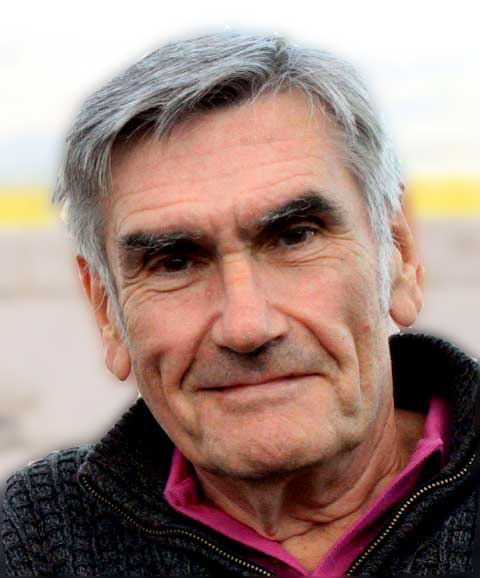 (1934-2015) Dearly missed the world around. |
"Tragically, one of the rarest commodities "When someone needs empathy the most,
|
About Nonviolent Communication (NVC)
Nonviolent Communication is a gentle and profound process that helps us to connect to our hearts and hear each other empathically. It is a very special process, developed by Dr. Marshall Rosenberg that connects us at our "Needs" level, rather than trying to decide who was right and who was at fault. As soon as we find out what each of us is needing, our differences and defensiveness become easy to resolve.
With the tools offered in Nonviolent Communication (NVC) we experience relief and connection as we work things out and we also learn how to take time to celebrate our joys and appreciate each other. NVC offers effective, powerful concepts to enrich our personal and professional lives.
Using Nonviolent Communication, we can:
- Transform potential conflicts into peaceful resolutions
- Increase confidence and ability to live from our best self
- Compassionate skills begin with self. We learn how to:
- Shift the thinking that leads to anger and misunderstandings
- Effectively reduce our fears and en-courage our small voices to speak up
- Speak compassionately and clearly to have our needs heard and often met
- Listen empathically, respectfully and patiently to hear the needs of others
- Express ourselves honestly with ownership, responsibility and self-regulation
- Connect with ourselves in "self-empathy" in order to respond rather than react
- Translate demands, judgements, criticism into Compassionate Communication
- Compassionate skills extend to others. We learn how to:
- Live in deeper aliveness, authenticity and Presence with others
- Create supportive, harmonious, nurturing and conscious relationships
- Offer assistance to others to defuse potentially violent moments
- Connect empathically with others in times of turmoil, hardship or grief
- Deepen the joy and connection with friends, families and colleagues
- Empower the Savoring of Life through appreciation and gratitude skills
- Discover our needs of service, compassion and contribution to humanity
- Honor the beauty of all life in her bounty and diversity, beginning with our own
NVC is often referred to as a foreign language because many of us were brought up in homes and schools where people used criticism, judgements, blame and shame to motivate us to succeed. Because it is like a foreign language for some of us, it can take time to really learn it. However,learning this Language of Compassion can open whole new possibilities of open heartedness, loving kindness and comfortable, joy-full, and trust-full relationships.
These Nonviolent Communication skills have proven to be a powerful tool for peacefully resolving differences at personal, professional, and political levels, for:
-
Individuals , children, parents
-
Couples, child care providers, extended families
-
Clergy, government officials, healthcare providers
-
Mediators, community organizers, human resource professionals
-
Counselors, co-workers, hospice volunteers
-
NGO and nonprofit workers, administrators, police
-
School psychologists, staff, volunteers, teachers
-
Youth in half-way houses, incarcerated individuals, mental health providers
-
International representatives for countries at war
This process was begun in the 1970's by Marshall B. Rosenberg, Ph.D. a clinical psychologist, internationally known peacemaker, and founder of the Center for Nonviolent Communication. He has recently written a book called, Nonviolent Communication, A Language of Compassion.(Publisher: PuddleDancer press, Del Mar, California, USA) In his book he uses stories, examples and dialogues to present these important concepts of Nonviolent Communication.Refer to the "Training Materials" section of this webpage for more possibilities.
 |
"I believe the principles and techniques in this book can literally change the world--but more importantly, they can change the quality of your life with your spouse, your children, your neighbors, your co-workers and everyone else you interact with. I cannot recommend it highly enough." |
Jack Canfield
Chicken Soup for the Soul series
Chicken Soup for the Soul series